Buying your first home comes with plenty of questions, especially when you start comparing mortgage…
How to Prepare Financially Before Shopping for a Home
Before you start looking for a home, you need to understand your financial situation. At A.S.A.P. Mortgage Corp., we’ve helped thousands of families across New York, Connecticut, Tennessee, Pennsylvania, Massachusetts, New Jersey, and Florida reach ownership since 2001. Here, our mortgage brokers discuss how to plan to buy a house and share the steps you should take before you start your search.
Key Takeaways
- Start with a monthly housing payment that fits within your overall budget.
- Review your credit and existing debt and start saving before applying for a mortgage.
- Organize financial documents so that they’re ready when you start applying.
- Working with an experienced loan originator from A.S.A.P. Mortgage Corp. can help the process go smoothly.
How to Plan to Buy a House: A Step-By-Step Checklist
The home search often starts online, but your financial preparation should begin before you start scheduling showings. This checklist can help you get your finances organized, so you stay within your budget.
Step 1: Determine Your Budget
The first step is deciding what monthly payment your household can afford. While your monthly payment includes the principal and interest, it may also include:
- Property taxes
- Homeowners insurance
- Mortgage insurance
- Homeowners association (HOA) fees / Co-op maintenance fees
Your lender may determine that you qualify for a certain loan amount, but that doesn’t mean you need to spend the maximum you can afford. Instead, you should leave room for regular expenses, savings, and unexpected costs that come with homeownership.
Step 2: Review Your Credit and Debt
Your credit history and current debts can affect your mortgage options. You can review your credit reports for free online. If you find any errors, you should dispute them early to give you more time to resolve the issue.
You should also look at your debt-to-income ratio, or DTI. This compares your monthly debt obligations, such as car payments, with your gross monthly income. If your debt load is high, paying down revolving balances or other obligations can help you improve your financial position. However, you should avoid closing accounts or making major credit changes without first discussing them with your mortgage broker, because these changes could affect your application.
Step 3: Build a Savings Plan
Once you understand your budget, set savings goals for the costs that come with buying a home, including:
- Down payment
- Closing costs
- Prepaid expenses
- Broker fees
Try to keep some savings available after closing as well. An emergency fund can help cover an unexpected home repair or another expense. The amount you need upfront will depend on the loan you choose and your purchase agreement.
Step 4: Gather Financial Documents
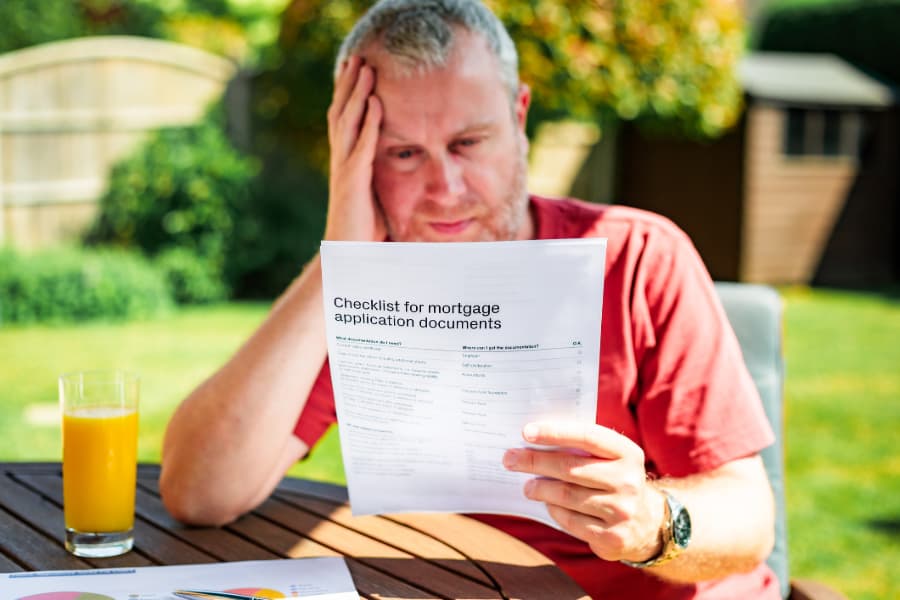
To get mortgage financing, there will be a lot of documentation that you need. By getting them organized early, you can avoid stress down the line. While the exact documents you need vary by lender, most require:
- Recent pay stubs and W-2 forms from the past two years
- Bank statements and documentation for other assets
- Tax returns if you’re self-employed
- A government-issued ID
Your lender may require additional records, depending on your employment, income, assets, or loan type.
Step 5: Get Pre-Qualified
Pre-qualification can help you understand the price range and mortgage options that may fit your financial situation before you shop. However, it’s important to keep in mind that pre-qualification is not final approval or a commitment to lend. You still need to apply for a loan, provide the required documents, and go through the underwriting and property review process to be approved for a loan.
What Shouldn’t You Do Before Buying a Home?
Good preparation also means knowing what changes could complicate your mortgage application. Before buying a home, you should avoid making major financial moves without first speaking with your mortgage broker. This includes:
- Making a large purchase on credit, such as financing a vehicle or expensive furniture
- Opening new credit cards, personal loans, or other accounts
- Changing jobs or changing how you’re paid
- Moving large amounts of money between accounts without keeping a clear record of the source
Any of these changes can affect your credit, available cash, or debt-to-income ratio. If something in your financial situation needs to change, ask your mortgage professional how it may affect your application first.
Prepare for Home Ownership with A.S.A.P. Mortgage Corp.
Preparing your finances puts you in control of your home search and helps you make offers with confidence. At A.S.A.P. Mortgage Corp., we’re your trusted partner in homeownership. Our licensed loan originators offer personalized guidance and compare options from a wide network of national leaders.
With offices throughout the Mid-Hudson Valley region in New York and the NYC metro area, we help prospective homeowners understand how to plan to buy a house. Contact us today to take the next step toward homeownership or to ask questions about financial preparation.
Frequently Asked Questions About Financial Preparation for Buying a Home
How early should I prepare financially to buy a house?
Starting several months before you plan to buy can give you time to review credit, reduce debt, and build savings. If you are unsure where you stand financially, you can speak with a mortgage professional earlier.
How much money should I save before buying a home?
There’s no single amount that works for every buyer. Your savings goals should account for the down payment, estimated closing costs, and emergency funds.
Does getting pre-qualified guarantee that I will get a mortgage?
No. Pre-qualification is an early assessment based on financial information available at that time. Final approval depends on the lender’s underwriting requirements, verified documentation, the property, and other loan conditions.
Should I pay off all my debts before applying for a mortgage?
Not necessarily. Paying down certain balances may help improve your DTI. However, using a large amount of savings or closing accounts can have other effects. Review your situation with a mortgage professional before making major changes.

Related Posts