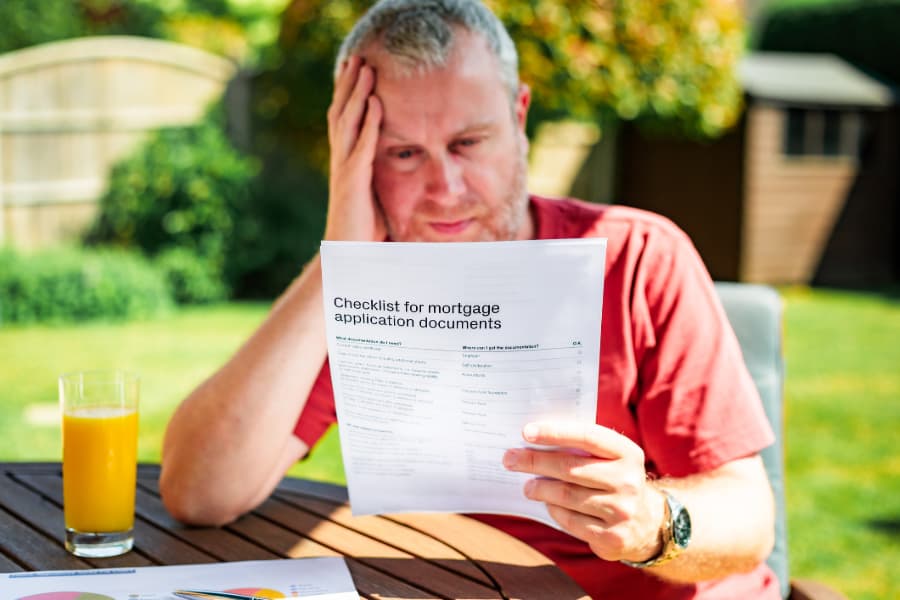
Before you start looking for a home, you need to understand your financial situation. At…
FHA Loans Explained for First-Time Homebuyers
Buying your first home comes with plenty of questions, especially when you start comparing mortgage options. FHA loans are one option many first-time buyers consider because they can offer a lower down payment and more flexible credit guidelines than some conventional loans. Here, A.S.A.P. Mortgage Corp. explains how the financing for FHA loans for first-time homebuyers works. We can help you decide whether it fits your budget, home search, and long-term plans, so you can become mortgage-ready.
Key Takeaways
- FHA loans are mortgages made by approved lenders and insured by the Federal Housing Administration.
- Qualified borrowers may be eligible for a down payment of as low as 3.5%.
- Mortgage insurance is required and if putting down less than 10% it lasts the life of the loan.
- The mortgage brokers at A.S.A.P. Mortgage Corp. can help buyers in New York, Connecticut, Tennessee, Pennsylvania, Massachusetts, New Jersey, and Florida explore their loan options.
What Is an FHA Loan?
An FHA loan is a home mortgage insured by the Federal Housing Administration (FHA) and funded through an approved private lender. The federal insurance helps reduce lender risk, which allows FHA financing to use flexible guidelines that can be more accessible for some borrowers.
This flexibility often makes FHA loans more appealing to first-time homebuyers who have limited savings or less-established credit. However, they’re not limited to first-time buyers.
What Are the Loan Requirements for FHA Loans?
While FHA guidelines are flexible, you still need to meet certain requirements. You can expect your lender to review:
- Credit score and down payment: A score of 580 or higher qualifies for the minimum 3.5% down payment. If you have a score between 500 and 579, you may still qualify with 10% down. You can fund your down payment from your savings or a gift from a family member.
- Debt-to-income (DTI) ratio: This compares your monthly debt obligations, including housing expenses, to your gross monthly income. FHA allows you to qualify up to 56%.
- Property requirements: The home you’re buying must be your primary residence and pass an FHA appraisal confirming it meets Department of Housing and Urban Development (HUD) standards.
Your lender will also verify your income. While you don’t need to earn a specific amount, you’ll need to be able to prove that you have steady employment and consistent income. Most lenders require at least two years of employment history.
Benefits of FHA Loans for First-Time Homebuyers
For the right buyer, FHA financing can make buying a home easier and more affordable. Common benefits, especially for first-time homebuyers, include:
- Lower down payment: Eligible borrowers may be able to purchase with 3.5% down, which can reduce the amount of cash needed upfront.
- Flexible credit guidelines: FHA financing may be an option for borrowers who have a lower credit score that disqualifies them from many conventional loans.
These benefits make the loan accessible for new buyers who are building credit or haven’t had time to accumulate a large down payment.
What Are the FHA Costs to Consider?
The down payment is only one part of the cost of buying a home. If you’re applying for an FHA loan, you also should consider the expenses that can affect the amount due at closing and your monthly payment, such as:
- Mortgage Insurance Premiums (MIP): FHA loans generally include an upfront mortgage insurance premium and an annual premium paid through the monthly mortgage payment. This upfront premium may be financed into the loan, which increases your loan balance.
- Closing costs: Buyers may have costs for lender or third-party services, title changes, prepaid taxes, and homeowners’ insurance. Depending on the cost of your home, these costs can be between 2% and 5% of the purchase price.
- Long-term payment: MIP often lasts as long as the loan. Therefore, an FHA mortgage may cost more over time than a conventional one. Many homeowners decide to refinance into a conventional loan later to remove mortgage insurance and lower their payment.
Compare Your FHA Loan Options with the Mortgage Brokers at A.S.A.P. Mortgage Corp.
The best mortgage option for you depends on your financial situation and your goals with owning a home. A.S.A.P. Mortgage Corp. is a full-service brokerage firm with offices near you in the Mid-Hudson Valley region in New York, the NYC Metro area, and Florida.
We help prospective homebuyers in New York, Connecticut, Tennessee, Pennsylvania, Massachusetts, New Jersey, and Florida review available loan programs and understand how the numbers fit their budget. Our team can help you compare loan options and guide you through the home financing process. If you’re looking into an FHA loan for first-time homebuyers, contact us today to discuss your options.
Frequently Asked Questions About FHA Loans for First-Time Homebuyers
Do you have to be a first-time homebuyer to get an FHA loan?
No. FHA loans are available to eligible borrowers who meet program and lender requirements. They are often associated with first-time buyers because of their lower down payment and flexible guidelines.
What is the minimum down payment for an FHA loan?
Eligible borrowers may qualify for a down payment as low as 3.5%. However, the amount you need depends on your credit and other loan qualifications.
Do FHA loans require mortgage insurance?
Yes. FHA loans generally require an upfront mortgage insurance premium and an annual mortgage insurance premium. The cost and duration depend on the loan terms and applicable FHA rules.
Is an FHA loan better than a conventional loan for a first-time buyer?
It depends on the buyer. FHA financing is a great option for someone who has a lower credit score or needs a lower down payment. A conventional loan may offer different qualification requirements and doesn’t always require mortgage insurance. The team at A.S.A.P. Mortgage Corp. can help you compare both options.

Related Posts